Skateboarding for Beginners

Nolan O'Connor
| 13-02-2026
 · Sport Team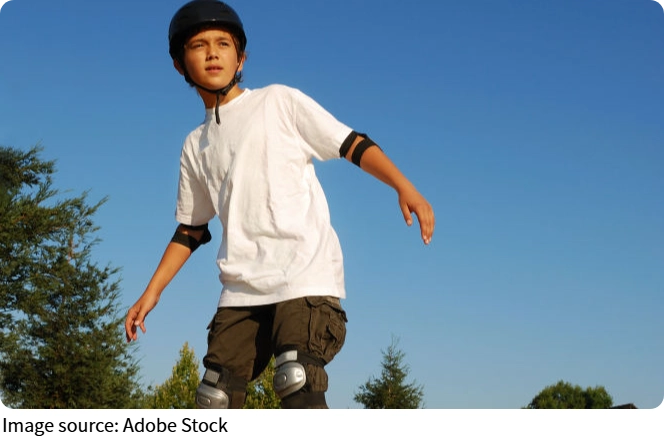
Watching someone glide smoothly on a skateboard can look effortless, almost like they're floating on air. For a beginner, stepping onto that board for the first time can feel equal parts exciting and intimidating.
The secret isn't flashy tricks—it's learning the fundamentals, building balance, and understanding how your board moves under your feet.
Choose the right skateboard
Board type, Deck size, Durability
Picking the right board is the first step to a good start. Skateboards come in various shapes, sizes, and materials, and choosing one that suits your height, weight, and goals makes learning safer and faster.
Start with a standard street or park skateboard, which is versatile for most beginner tricks.
Match deck width to your shoe size: narrower decks feel easier to turn, wider decks provide more stability.
Check wheels and trucks: softer wheels grip better on rough surfaces, while harder wheels slide more easily for tricks.
A practical tip: visit a local skate shop and try standing on different boards to feel what's comfortable before buying.
Wear proper safety gear
Helmet first, Knee and elbow pads, Wrist protection
Safety isn't optional. Beginners fall frequently, so protective gear reduces the risk of injury and boosts confidence while learning.
Always wear a certified skate helmet that fits snugly.
Knee and elbow pads help prevent scrapes and bruises during early falls.
Wrist guards are essential for protecting joints during sudden stops or tumbles.
A simple habit: make putting on your gear a routine before every session, even for short practice times in your driveway.
Learn balance and stance
Foot placement, Weight distribution, Steady posture
Before attempting tricks, mastering balance on a stationary board is crucial. This builds muscle memory and prevents falls when moving.
Place your front foot near the front bolts and your back foot near the tail.
Keep knees slightly bent and your body centered over the board.
Practice rocking back and forth gently to get used to the board's movement.
Actionable example: stand on the board on grass or carpet first to feel the shift of weight without rolling.
Start pushing and rolling
Controlled motion, Foot placement, Gradual speed
Moving on the skateboard introduces momentum and the need for control. Start slow and focus on smooth motion rather than speed.
Place your front foot on the deck and push with your back foot lightly on the ground.
Keep your eyes forward, not down at your feet, to maintain balance.
Practice stopping by dragging your back foot or gently stepping off until braking feels natural.
Try this: roll in a straight line for a few meters repeatedly, adjusting foot placement and balance as you go.
Learn basic turning techniques
Lean to turn, Foot steering, Controlled arcs
Turning is essential for navigating spaces and feeling confident. Beginners should focus on gradual turns before attempting sharp curves.
Lean your body slightly in the direction you want to turn.
Shift weight to your toes for frontside turns and heels for backside turns.
Practice figure-eight patterns to control the board through both gentle and sharper turns.
A practical drill: set up small cones or markers to weave around, increasing control and balance progressively.
Practice stopping safely
Foot drag, Slide stops, Roll off gently
Falling is part of learning, but stopping safely prevents injuries. Early mastery of stopping techniques allows confidence to build without panic.
Drag your back foot lightly while rolling forward to slow down gradually.
Learn to step off the board safely while keeping knees bent.
Avoid sudden sharp stops until you are comfortable with balance.
Tip: practice stopping on gentle slopes first to understand how momentum affects your balance.
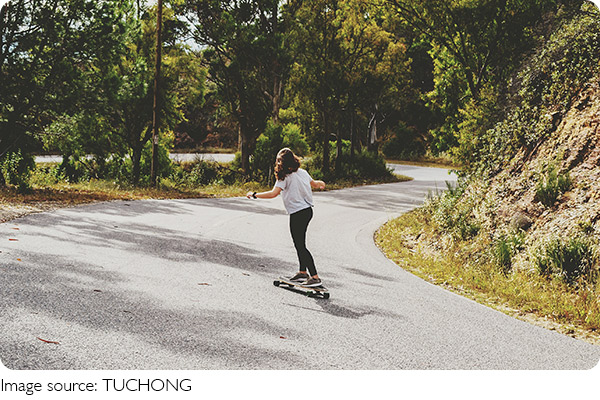
Skateboarding as a beginner is about patience, practice, and small victories. Each session builds muscle memory, balance, and confidence. By choosing the right board, wearing proper gear, and mastering basic movement, a beginner can progress safely while enjoying the thrill of rolling on four wheels.
The joy of skateboarding comes from the little improvements: rolling a bit further, making a smooth turn, or staying balanced a few extra seconds. Those small moments quickly add up, turning a hesitant first ride into a confident and fun routine.