Smart Stair Design

Raghu Yadav
| 06-02-2026
 · Art Team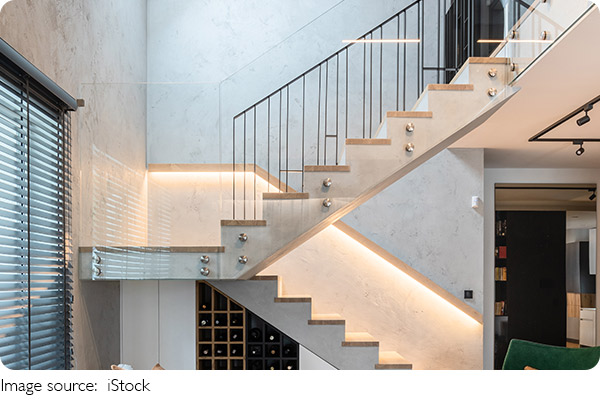
Walking up your stairs is something most of us do without a second thought.
But when you pause and look at the staircase, it becomes clear it's more than just steps—it shapes the flow of your home, affects safety, and even sets a tone for your interior.
I remember visiting a friend whose staircase doubled as a mini-gallery, with each step leading you into light-filled spaces. That experience made me realize that stair design can be both functional and visually striking.
Choosing the Right Layout
The first decision in stair design is layout. The way stairs fit into a home can change how you move and how the space feels.
Straight stairs: Simple and space-efficient, straight stairs work well in narrow homes. They're easy to navigate and cost-effective to build. Example: a straight staircase with open risers can make a small living room feel taller and brighter.
L-shaped stairs: These have a landing and a turn, breaking long flights into manageable sections. They add interest and can fit into corners, helping define room divisions.
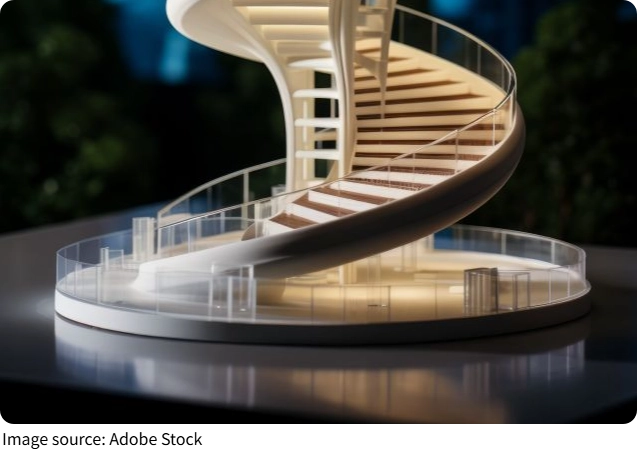
Spiral or curved stairs: Great for saving floor space or creating a visual centerpiece. Be mindful of safety and tread width; spiral stairs require careful planning, especially for children or elderly family members.
Material Matters
The material you choose affects durability, safety, and style.
Wood: Warm and versatile. Oak or maple can withstand heavy use, while lighter woods like pine create a casual feel. Finish the treads with non-slip coatings for safety.
Metal: Modern and sleek, ideal for lofts or industrial-style homes. Combine with wooden treads for warmth. Example: A black steel frame with natural oak steps can make a striking focal point without feeling cold.
Concrete or stone: Extremely durable, suitable for minimalist or modern homes. Add textured surfaces or mats to prevent slips.
Step Dimensions and Comfort
The comfort of stairs depends heavily on the rise (height of each step) and run (depth of the tread).
Standard rise: 7–8 inches works well for most adults. Too high, and climbing becomes tiring; too low, and it feels awkward.
Tread depth: 10–12 inches allows a full foot to land comfortably. Narrow treads increase the risk of slips.
Consistency: Keep the rise and run uniform. Even a small variation can cause trips.
Practical example: If your home has multiple flights, keeping uniform measurements throughout ensures everyone can walk naturally without adjusting their stride each time.
Safety Features
Safety should always be a priority, especially in family homes.
Handrails: Essential for stability. Consider continuous rails that follow the stairs without breaks.
Non-slip surfaces: Rubber mats, textured wood, or anti-slip coatings prevent accidents.
Lighting: Staircase lighting reduces trips and adds ambiance. LED strips under each tread or wall-mounted lights work beautifully.
Styling and Visual Impact
A staircase can be more than functional—it can define your home's aesthetic.
Open risers: Create a lighter, floating look that opens up space.
Glass panels: Modern and airy, ideal for minimalist interiors.
Color and contrast: Painting risers a contrasting color or using decorative tiles adds personality. Example: A white staircase with navy blue risers can become a design feature in a neutral living room.
Optimizing Space
Stairs often consume significant square footage. Smart design can help:
Storage under stairs: Cabinets, drawers, or open shelving maximize otherwise wasted space.
Integrated seating: Bench seating near the base or along the wall can create cozy reading nooks.
Multi-functional landings: Add a small desk or decorative console on larger landings to use space efficiently.
Finishing Touches
Details complete the experience of your staircase. Handrail shape, baluster design, and even step edging can elevate both safety and aesthetics. Soft carpeting or runner rugs can add comfort and reduce noise, while leaving the sides exposed maintains the visual appeal of wood or stone treads.
A well-designed staircase is both a path and a statement. It guides movement, supports daily routines, and adds character to your home. Next time you walk up your stairs, notice how the materials, lighting, and layout shape the experience—you might see it not just as steps, but as a central feature that elevates your entire space.