Why Indoor Plants Feel Fresh

Caleb Ryan
| 05-02-2026
 · Lifestyle Team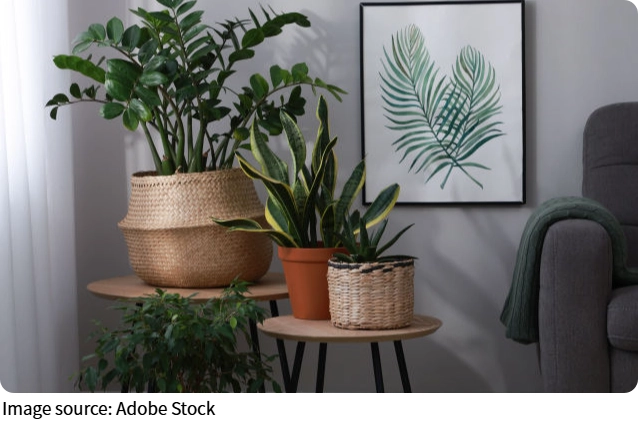
There's something calming about a splash of green on a desk or windowsill.
Beyond looking nice, many people believe indoor plants can scrub the air clean.
But is that really true, or is it just a comforting idea we like to believe? Let's dig into what plants can do for the air we breathe.
How Plants Interact with Air
Plants take in carbon dioxide and release oxygen through photosynthesis, a process we all learned in school. But some plants also absorb certain airborne chemicals through their leaves and roots.
1. Volatile compound absorption: Plants can capture small amounts of chemicals like formaldehyde, benzene, and trichloroethylene, which are sometimes present in furniture finishes, paints, or cleaning products.
2. Microbial support: Soil in pots hosts beneficial microbes that can help break down pollutants absorbed by roots. This creates a small “cleaning ecosystem” around each plant.
Example: A peace lily on a coffee table can slowly reduce formaldehyde levels while adding a decorative touch.
Limitations of Air Purification
It's easy to assume a few plants will purify an entire room, but science tells a different story.
1. Scale matters: Laboratory studies show significant pollutant removal, but these experiments often use sealed chambers with high plant-to-air ratios. Homes have much more air volume, so the effect is less dramatic.
2. Plant types vary: Not every plant is equally effective. For instance, English ivy, snake plants, and spider plants show measurable absorption of some chemicals, while others mostly just look pretty.
Example: Placing ten spider plants in a small office corner might improve air quality slightly, but one or two won't noticeably change levels of common indoor pollutants.
Additional Benefits Beyond Chemicals
Even if air purification is modest, indoor plants offer other clear advantages for a healthier living space.
1. Humidity regulation: Through transpiration, plants release moisture into the air, which can slightly improve comfort in dry environments.
2. Psychological impact: Having greenery indoors has been linked to reduced stress, better concentration, and increased feelings of wellbeing.
Example: Keeping a small cluster of potted plants near a workstation can make long work sessions feel less draining and improve focus.
Practical Tips for Maximizing Benefits
If you want your plants to contribute to air quality and your wellbeing, a few strategies help.
1. Choose hardy, high-leaf-surface plants: Bigger leaves can absorb more airborne compounds. Examples include rubber plants, peace lilies, and ferns.
2. Maintain healthy soil: Avoid compacted or overly dry soil; microbes need moisture and airflow to thrive.
3. Spread plants throughout living spaces: Rather than clustering a few plants in one corner, distribute them to cover more air area.
Example: A fern in the bathroom, a peace lily in the living room, and a snake plant near the bedroom window create multiple small zones of cleaner, more humid air.
Realistic Expectations
Indoor plants are not a substitute for proper ventilation, air filters, or reducing chemical sources. Their air-cleaning effect is supportive rather than transformative.
1. Combine strategies: Open windows when weather allows, use HEPA filters, and limit strong-smelling chemicals indoors.
2. Enjoy the greenery: Focus on the psychological and aesthetic benefits—plants improve comfort and wellbeing even if they only slightly alter chemical levels.
Example: A sunny corner with a mix of plants can make a home office feel fresher and more inviting, even if formaldehyde levels are only minimally reduced.
Air-cleaning claims often get overstated, but indoor plants still hold real value. They brighten spaces, boost mood, and contribute modestly to air quality. Even if the chemical removal is small, the combination of visual comfort, humidity control, and a touch of nature makes them worthwhile additions to any home.