Minimalist Restaurant Style

Raghu Yadav
| 02-02-2026
 · Art Team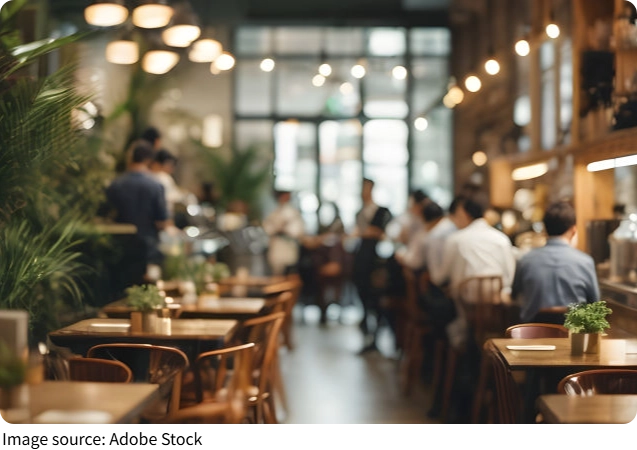
Walking into a restaurant and feeling instantly calm isn't an accident. Minimalist design does more than look modern—it shapes the dining experience.
By stripping away clutter and focusing on essential elements, restaurants can create spaces that feel spacious, inviting, and thoughtful.
But achieving minimalism isn't just about having fewer chairs or white walls; it's about intentional choices in layout, lighting, materials, and decor.
Start with a Thoughtful Layout
The backbone of minimalist design is space. How tables, seating, and pathways are arranged impacts both comfort and flow.
Tips:
1. Keep tables spaced to allow movement without overcrowding.
2. Use open floor plans to create a sense of airiness.
3. Consider sightlines—guests should feel comfortable without visual clutter.
Actionable example: Arrange a series of small tables along one side of the dining area, leaving a clear walkway in the center to emphasize openness and ease of movement.
Choose Neutral Colors and Simple Materials
Color and texture are powerful in minimalism. Neutral tones create calm, while natural materials add warmth without distraction.
Tips:
1. Stick to whites, grays, beiges, or soft earth tones.
2. Use materials like wood, stone, or metal with clean finishes.
3. Limit contrasting colors to small accents, such as cushions or tableware.
Actionable example: A dining area with light oak tables, concrete flooring, and soft gray chairs creates a harmonious, understated backdrop for any menu.
Focus on Functional Furniture
Every piece in a minimalist restaurant should serve a purpose and contribute to the aesthetic.
Tips:
1. Choose furniture with simple silhouettes and sturdy construction.
2. Avoid overly decorative or bulky chairs and tables.
3. Consider multi-functional pieces, like benches with storage.
Actionable example: Sleek, backless wooden benches along a wall reduce visual clutter while providing flexible seating for different group sizes.
Emphasize Lighting and Ambiance
Minimalism thrives on subtle details, and lighting is one of the most effective tools. Proper lighting enhances mood and highlights design features.
Tips:
1. Use soft, diffused lighting for a warm, inviting atmosphere.
2. Incorporate natural light whenever possible to open up the space.
3. Highlight architectural elements or artwork with focused spotlights.
Actionable example: A restaurant with large windows and pendant lights above each table balances natural light during the day and creates intimate pockets of glow at night.
Limit Decorative Elements
Minimalism is about restraint. Every visual element should feel intentional, not accidental.
Tips:
1. Choose one or two statement pieces instead of multiple decorations.
2. Keep walls mostly bare, or display artwork sparingly.
3. Opt for functional decor, like elegant vases or simple planters.
Actionable example: A single, sculptural centerpiece on a communal table becomes a focal point without overwhelming the room.
Pay Attention to Consistency
A cohesive design ensures the space feels intentional and curated. Inconsistency can disrupt the minimalist effect.
Tips:
1. Match finishes, colors, and textures throughout the space.
2. Keep signage and menus visually consistent with the interior design.
3. Avoid mismatched or ornate accessories that draw unnecessary attention.
Actionable example: Using the same soft gray upholstery across all seating and light oak for tables and counters maintains visual harmony.
Minimalist restaurant design isn't just about looking clean—it's about creating an experience where the environment enhances the food and the mood. When layout, color, furniture, lighting, and decor all align, guests can focus on the flavors, conversation, and comfort. The beauty of minimalism lies in its intentional simplicity, allowing both space and food to shine.